Corpus / A whole-body dataset for biological AI
The whole body, measured in one donor at a time.
Corpus is a donor-matched atlas of human tissue, built for teams training biological AI and doing drug discovery. Every tissue in a donor is collected and measured the same way, so models can learn how molecules vary across organs within one body, not just across populations.
Ambitious Bio, based in Cambridge, Massachusetts, collects tissue prospectively from consented postmortem donors under consistent protocols, so every sample is comparable across tissues and donors.
01 / SCIENCE
One protocol, every tissue
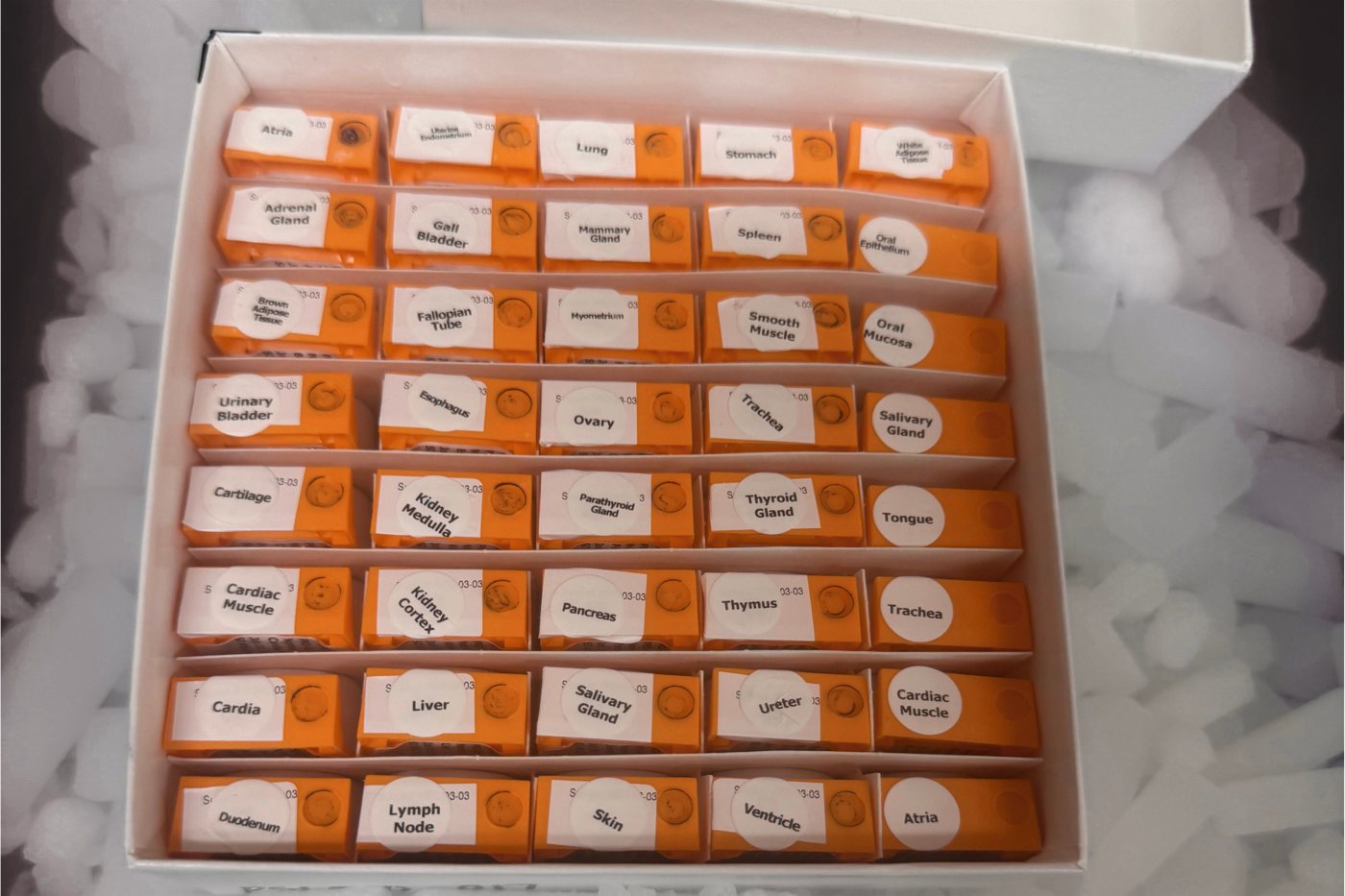
Each donor contributes about 30 tissue sites today, with a design target of more than 50 per body. Tissue is recovered within 24 hours of death, usually much sooner, and every sample gets deep mass-spectrometry proteomics. Because all tissues come from the same donor, the measurements nest within each body and scale across donors.
Matched biofluids and clinical histories bridge the tissues that cannot be sampled in living people with the measurements routinely collected from them, giving blood-based signals organ-level context.
Measurement
Proteomics
Orbitrap Astral mass spectrometry on every tissue sample, detecting roughly 10,000 to 12,000 proteins per tissue. Depth varies by tissue.
AVAILABLE TODAYMeasurement / Donor
Germline genome and clinical history
30× whole-genome sequencing linked to the donor's tissue profiles, with partial medical records today and full EHR linkage from 2027.
FROM 2027Measurement / Tissue
Somatic genome
120× whole-genome sequencing per tissue, matched to the same donor's proteome.
FROM 2027Measurement / Tissue
RNA, short and long read
Short-read bulk RNA sequencing, plus long-read RNA sequencing for full-length transcript isoform profiling.
FROM 2027Measurement / Tissue
Histopathology
H&E-stained tissue images for every sampled tissue, tied to the molecular profile of the same specimen.
FROM 2027Measurement / Selected tissues
Single-cell and spatial
10x Chromium single-cell RNA profiling on selected tissues, with spatial profiling on the Atera platform.
FROM 2027THE PLATES
Tissue, as collected
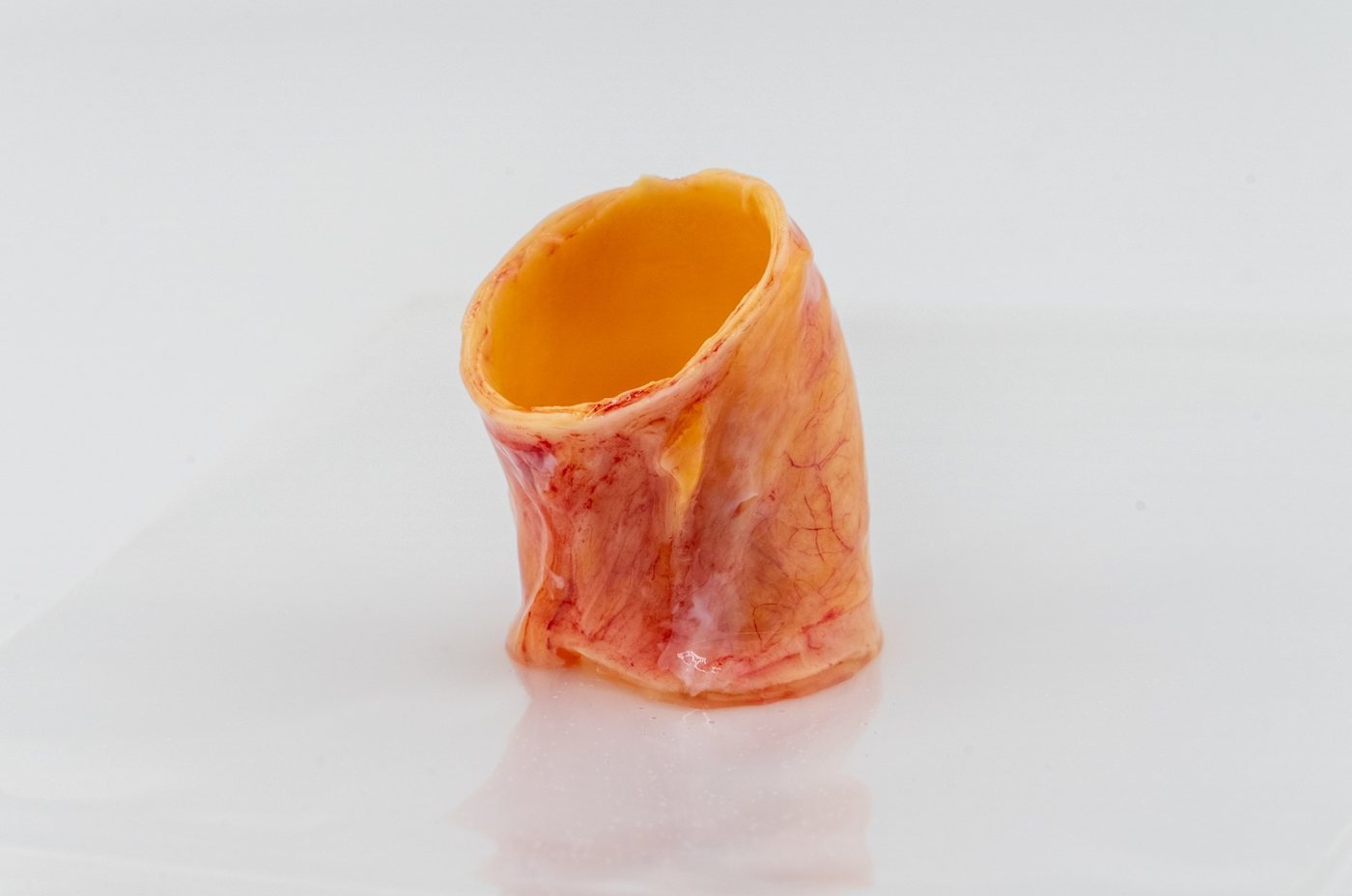
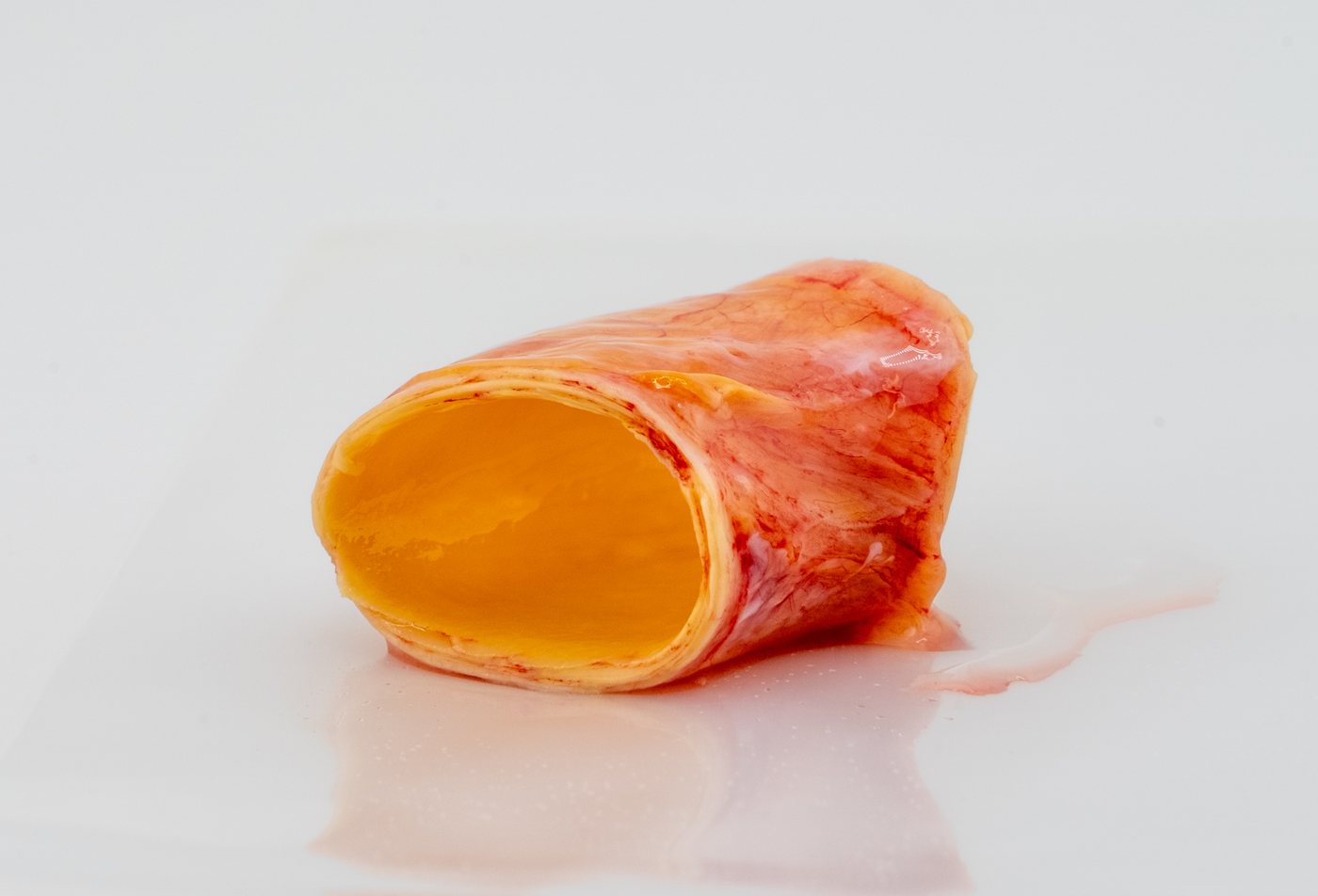
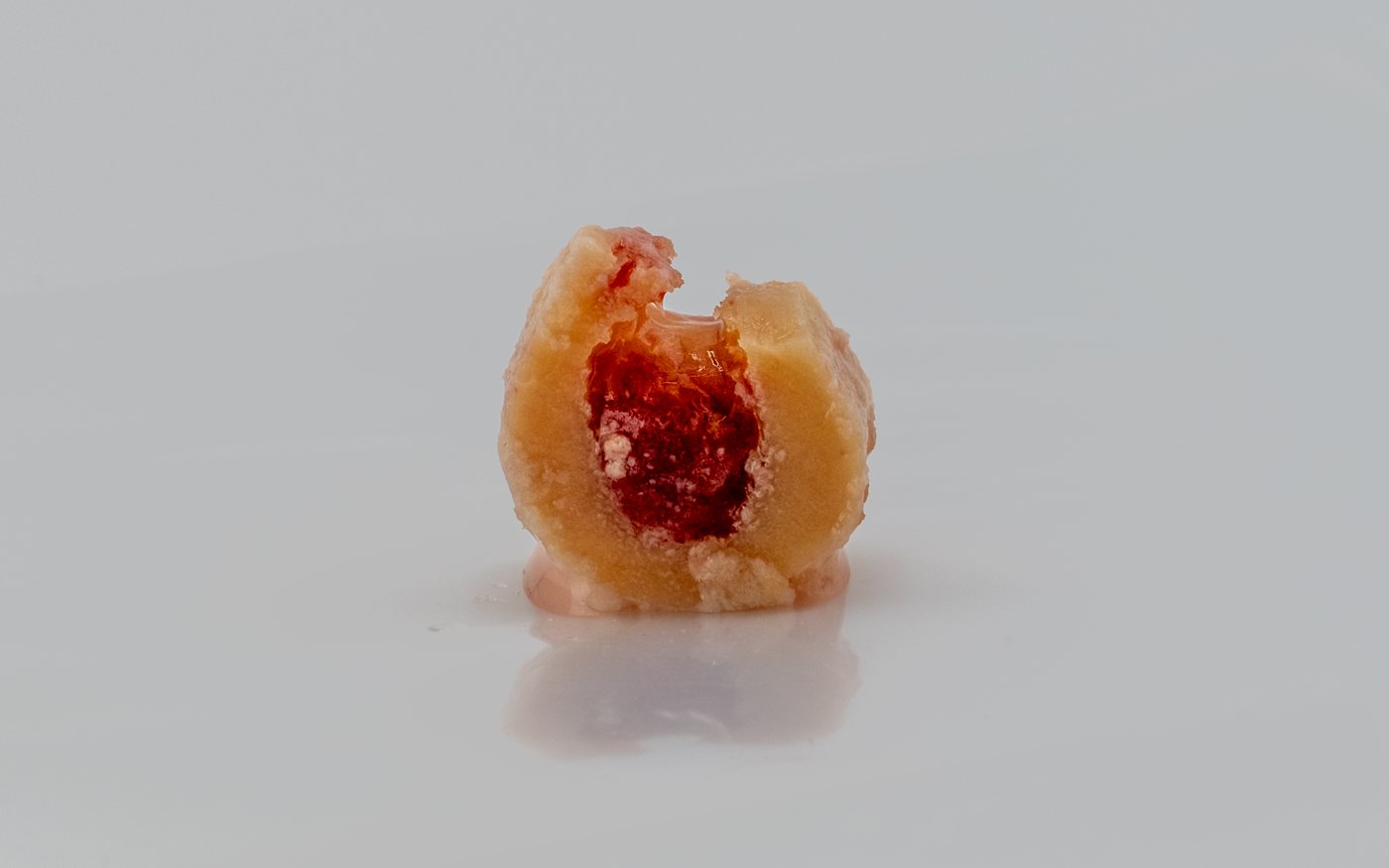
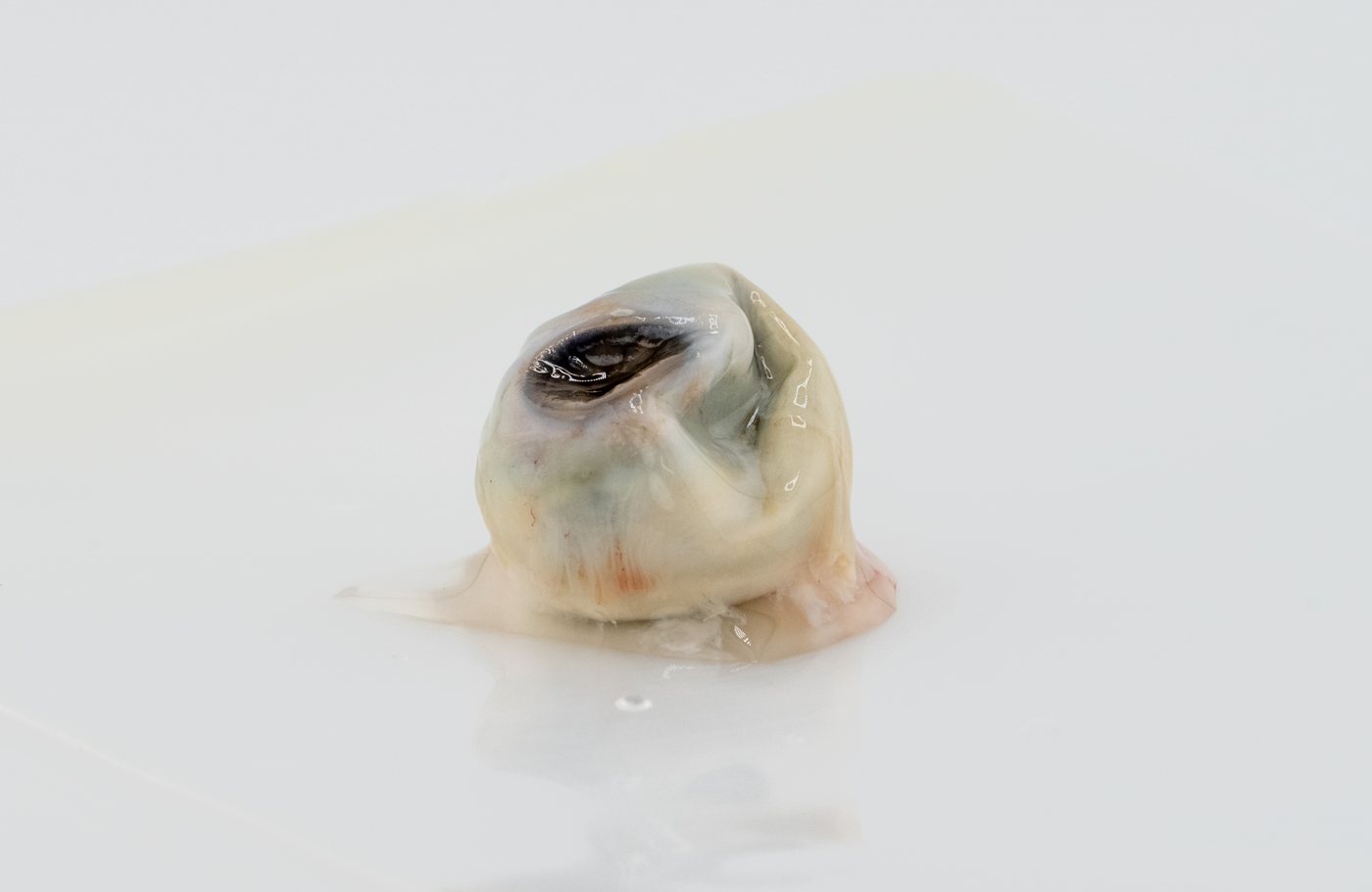
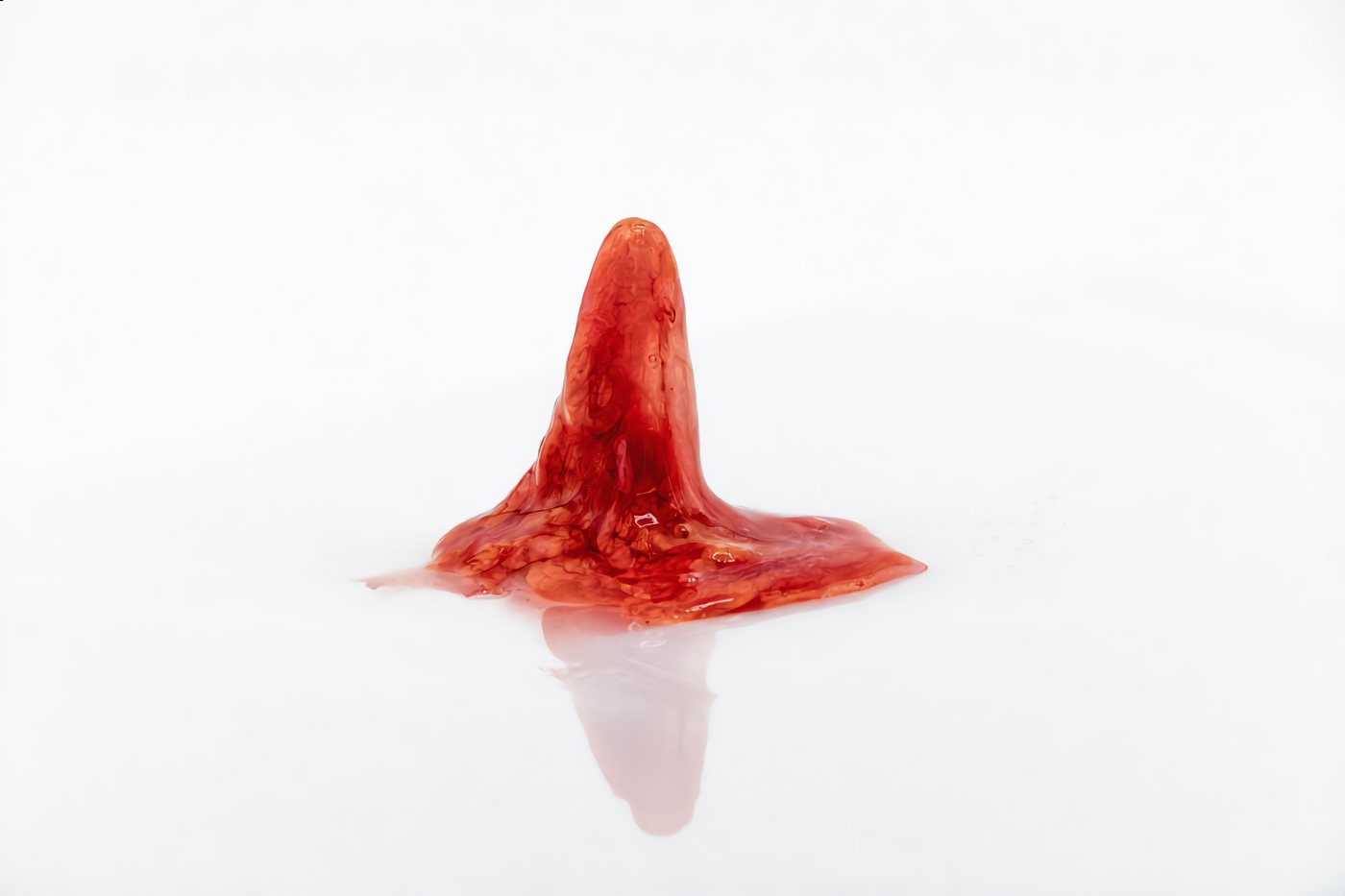
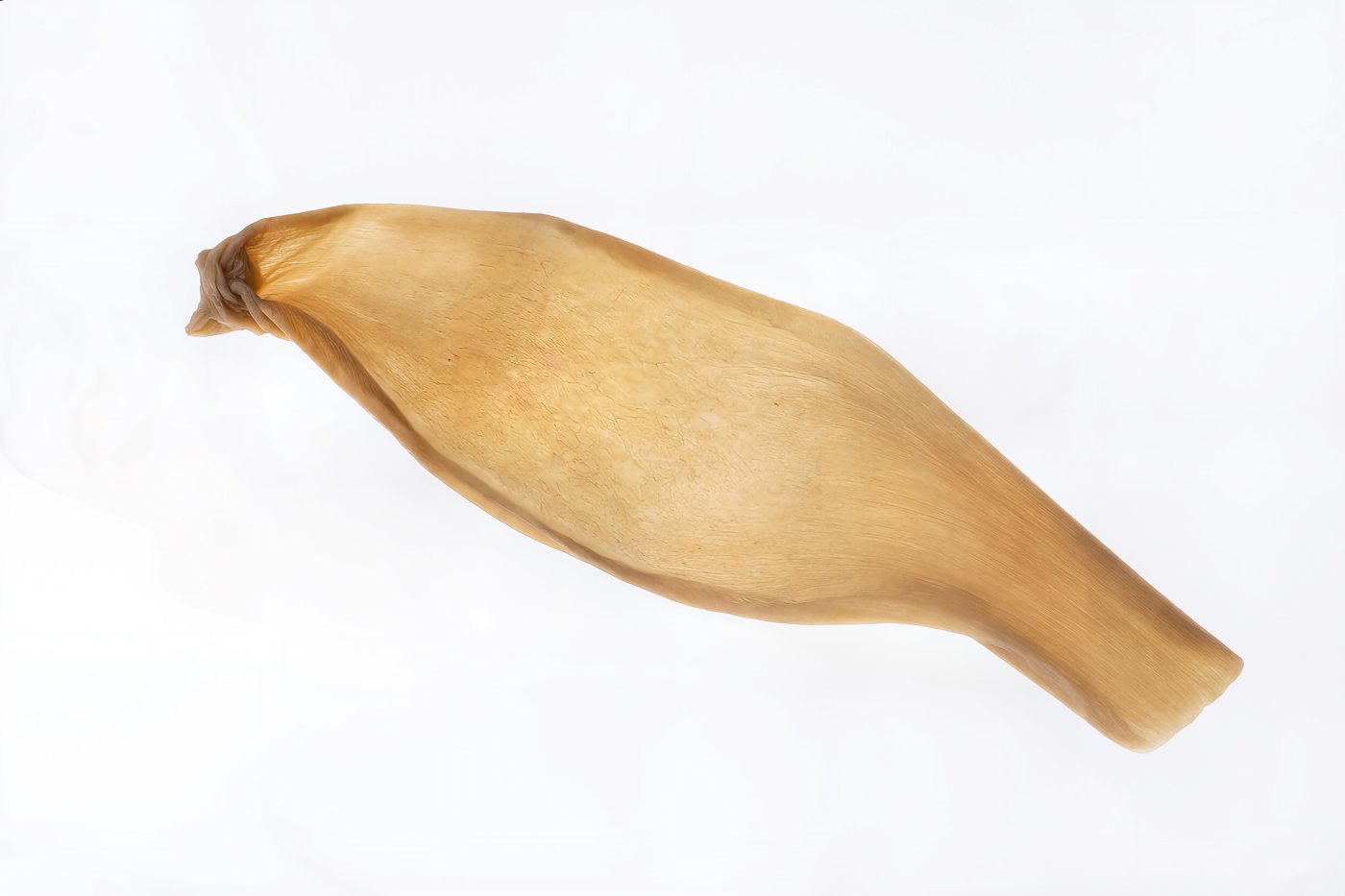
Real tissue from the Corpus collection, photographed as collected. Every specimen carries matched donor and specimen identifiers, so its measurements keep their tissue and donor context.
02 / DATA
More of the body's protein parts list
In its first cohort, Corpus expanded the Human Protein Atlas's protein parts list by a median of 56% per shared tissue, and in every tissue compared it detected at least one potential drug target the Atlas had missed.
FIG. 1 / DETECTED GENES PER TISSUE, TOP GAINS
MEDIAN GAIN ACROSS 39 TISSUES: +56%
Detected Ensembl gene IDs per tissue: the Human Protein Atlas on its own, and the Atlas with Corpus added. The eight tissues where Corpus adds the most, by percentage.
Adding Corpus expands the inventory in all 39 shared tissues. Matched gene-level comparison; one Ensembl gene ID counted once per tissue. Full table: download the CSV below.
TABLE 1 / PROJECTED SCALE
PROJECTIONS ASSUME 52 SAMPLES PER DONOR
Collection is continuous, with diseased donors added from 2027. Projected annual volume from the Corpus Data Sheet, October 2026.
| 2027 VOLUME | 2028 TARGET | GROWTH | |
|---|---|---|---|
| Donors | 2,500 | 10,000 | 4.0× |
| Tissue samples | 130,000 | 520,000 | 4.0× |
| Mass spectra | 52–65B | 208–260B | 4.0× |
| Protein quantifications | 1.3–1.56B | 5.2–6.24B | 4.0× |
| Full-length transcript reads | ~1.3T | ~5.2T | 4.0× |
| Compressed data (est.) | ~40,000 TB | ~160,000 TB | 4.0× |
A free synthetic demo dataset is published on Hugging Face. Corpus itself is licensed commercially; cohorts can be selected by tissue, modality, age, disease and treatment history, or cause of death, with counts specified for each release.
03 / COMPANY
Built to be a reference
Ambitious Bio generates whole-body molecular surveys at population scale for engineers in the life sciences. Corpus is designed to span the full spectrum from health to disease: donors so far are healthy, and enrollment of diseased donors begins in 2027.
Healthy tissue is the baseline illness is defined against, and a view of the rest of the body that any treatment entering trials must preserve. Ambitious generates and owns the experimental data, with full commercial rights to license and sublicense it for research and model training.
The company
- Based
- Cambridge, Massachusetts
- Founded by
- Elizabeth Hudson, CEO
- Product
- Corpus, a whole-body dataset
- Collection
- Continuous, prospective
- Licensing
- Commercial, research and AI training
APPLICATIONS
What Corpus is for
Model training
Targets and safety
Map target expression across organs, compare healthy and diseased tissue, and prioritize tissues for validation and safety studies.
Model training
Rules of gene regulation
Learn how genetic variation relates to RNA expression and protein abundance, and how these relationships differ by tissue.
Model training
Biomarker development
Relate signals in biofluids to molecular abundance in specific tissues, giving blood-based measurements organ-level context.
Model training
From blood to organs
Learn the relationships between circulating molecules and their possible tissue sources, distribution, and abundance.
Model training
New uses for medicines
Investigate shared molecular patterns across diseases and organs to identify additional indications for existing treatments.
Model training
Health, aging, and disease
Model how molecular relationships vary across ages and disease states, using healthy tissue as the baseline.
04 / CONTACT
License Corpus
Corpus is licensed commercially for AI training, target discovery, and safety and biodistribution work. Tell us what you are building and which tissues or cohorts you need.
Our collection rights also allow additional tissue sampling and data generation, so questions raised by your models can guide new experiments.
Sales and licensing inquiries go to the same address.